




















COR BLOOM Piercing Guide
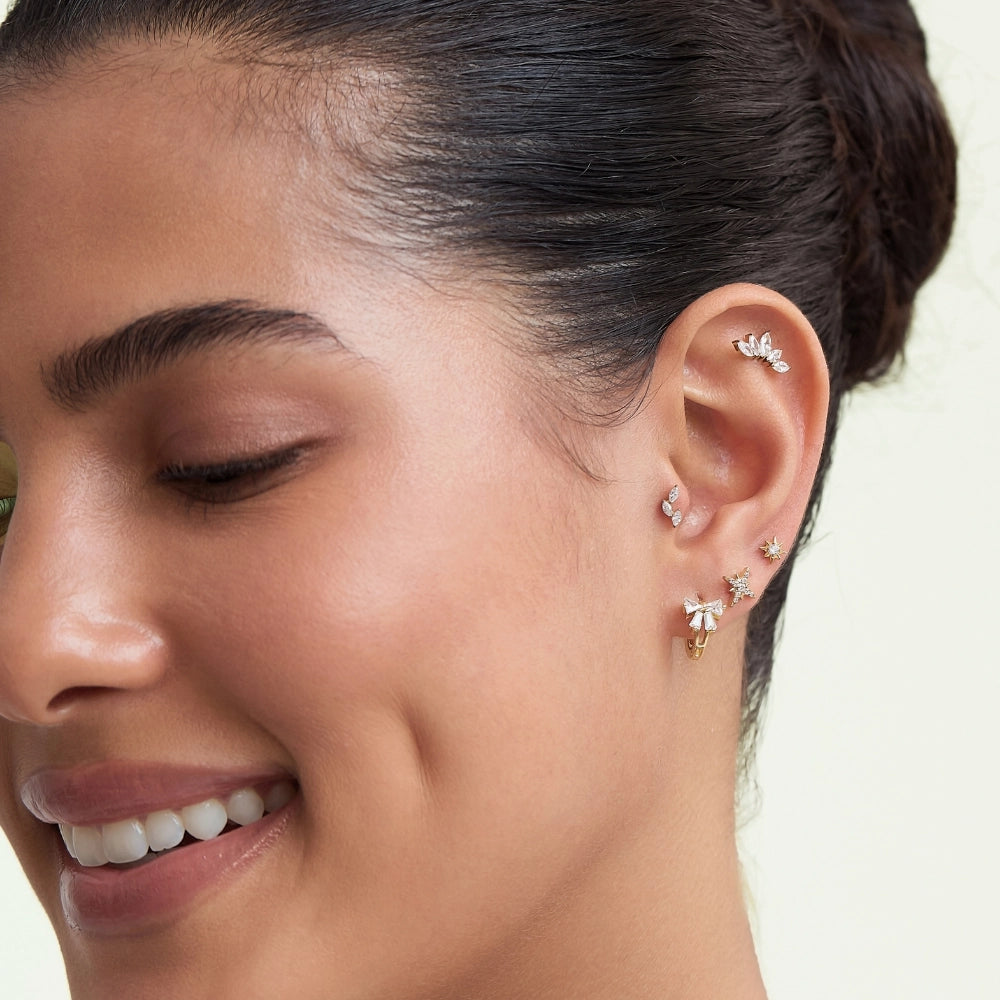
Every ear, every nose, every anatomy is beautifully different — so we offer every size to honor its uniqueness.
Our size guide is divided into two parts:
Part I – Understanding Piercing Sizes,
Part II – How to Choose the Correct Size.
Scroll down to view both.
Part I - Understanding Piercing Sizes

1. What is Gauge?
Gauge (G) measures the thickness of your jewelry post or hoop wire — it's also the size of the needle used for your initial piercing.
Remember: The smaller the number, the thicker the jewelry.
20G (0.8 mm) is the standard size for traditional lobe piercings. It is also the most common gauge for classic stud earrings with butterfly backs and many conventional hoop earrings sold by fashion jewelry brands.
18G (1.0 mm) is the most popular gauge for cartilage piercings and is widely used for flatback jewelry, offering an excellent balance of comfort, durability, and style.
16G (1.2 mm) is commonly used for a variety of cartilage and facial piercings, including the helix, conch, daith, rook, tragus, septum, and many lip piercings. Many professional piercers prefer 16G for these placements because the slightly thicker jewelry provides added stability and can support healthy healing.
14G (1.6 mm) is a larger gauge commonly used for industrial, tongue, navel, nipple, and some stretched or custom piercings. It is less common for standard ear piercings but may be recommended depending on your anatomy or your piercer's preference.
2. What is Post Length?
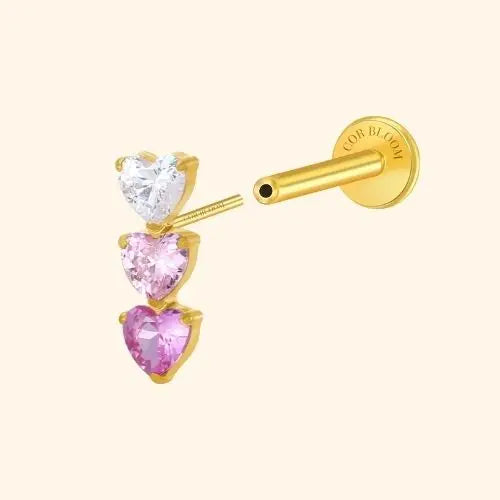
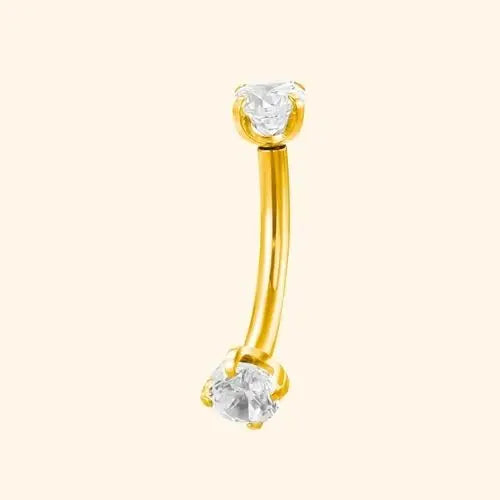
Post length is the distance between the decorative top and the flat disc backing of a flatback stud, excluding the thickness of the flat disc itself.
Choosing the correct post length is essential for both comfort and fit. A post that is too short may feel tight or put pressure on the piercing, while a post that is too long can move excessively and catch on hair or clothing.
For most healed piercings, a properly fitted flatback should sit comfortably with a small amount of room for natural movement.
For new or healing piercings, professional piercers typically use a longer post to allow room for swelling during the initial healing process. Once the swelling has subsided, the jewelry is usually downsized to a shorter post for a more secure and comfortable fit. If your piercing is still healing, we recommend consulting your piercer before selecting a post length.
Chose the wrong size? No worries. At Cor Bloom, you don't have to replace the entire piece. Simply purchase an extra post in the size you need — and keep your favorite top. Because finding the perfect fit should be easy, not expensive.

At Cor Bloom, your unique anatomy deserves a fit as beautiful as you are.
Posts in different sizes & shapes
At Cor Bloom, we believe anatomy isn't one-size-fits-all. Every ear, every nose, every body is different — and every anatomy is one of a kind. That's why we offer sizes to fit every unique you.
Our Flatback Posts & Sizes
Threaded Flatback (Round Disc): Available in 18G and 16G. Lengths: 4mm, 5mm, 6mm, 7mm, 8mm, 10mm, 12mm, 14mm.
Push-Pin Flatback (Round Disc): Available in 20G, 18G, and 16G. Lengths: 5mm, 6mm, 7mm, 8mm, 10mm, 12mm, 14mm.
(Please note: 4mm length is not available due to the push-pin mechanism.)
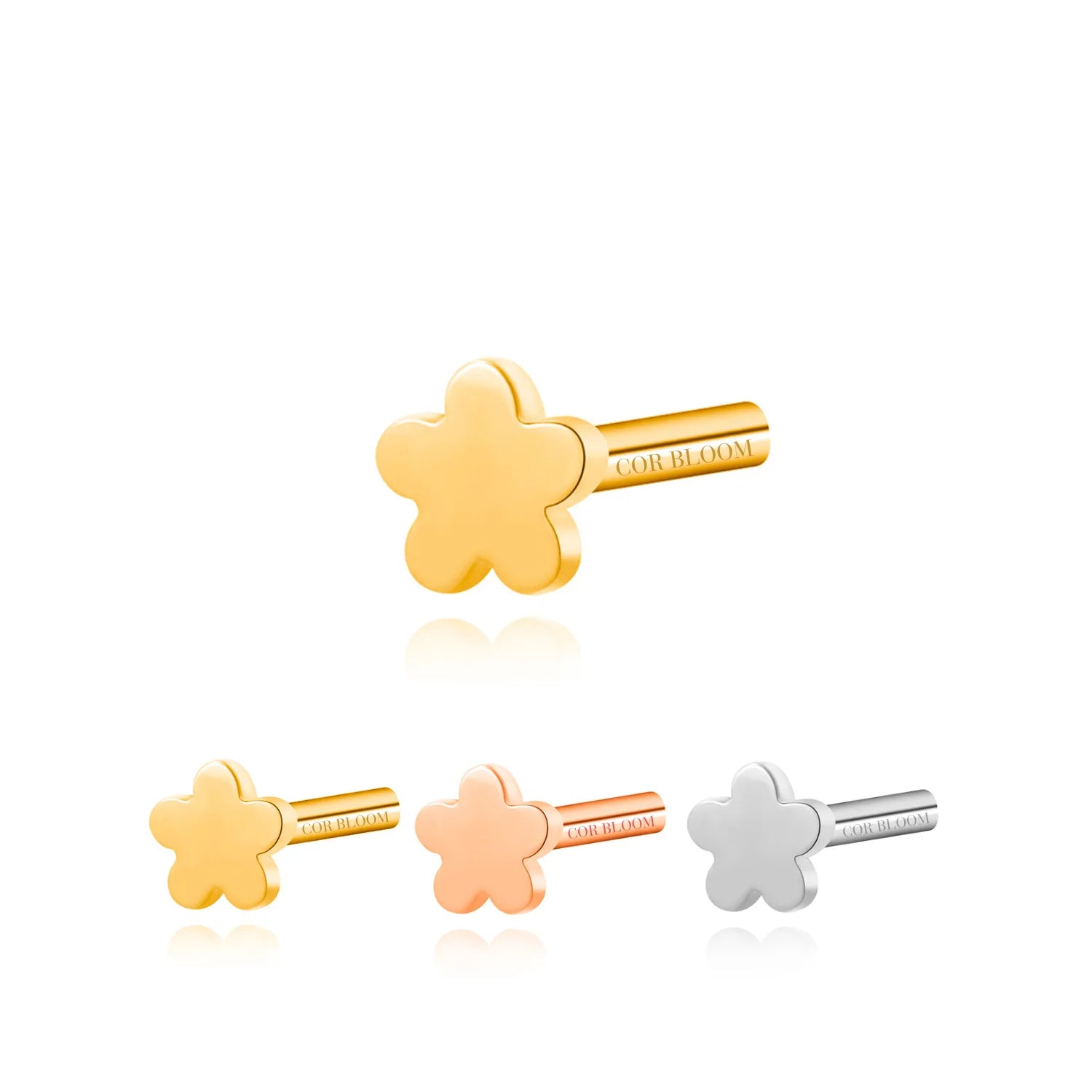
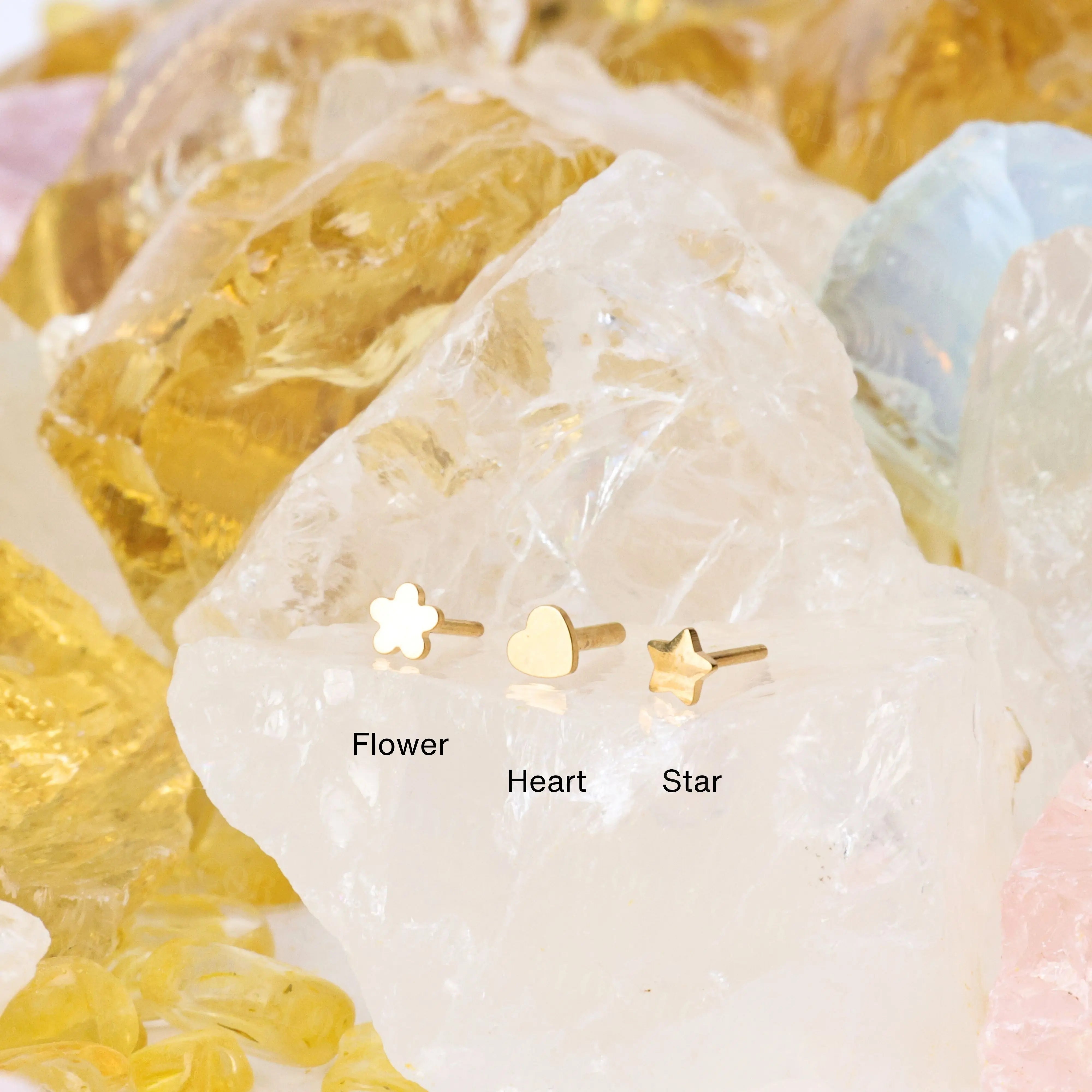
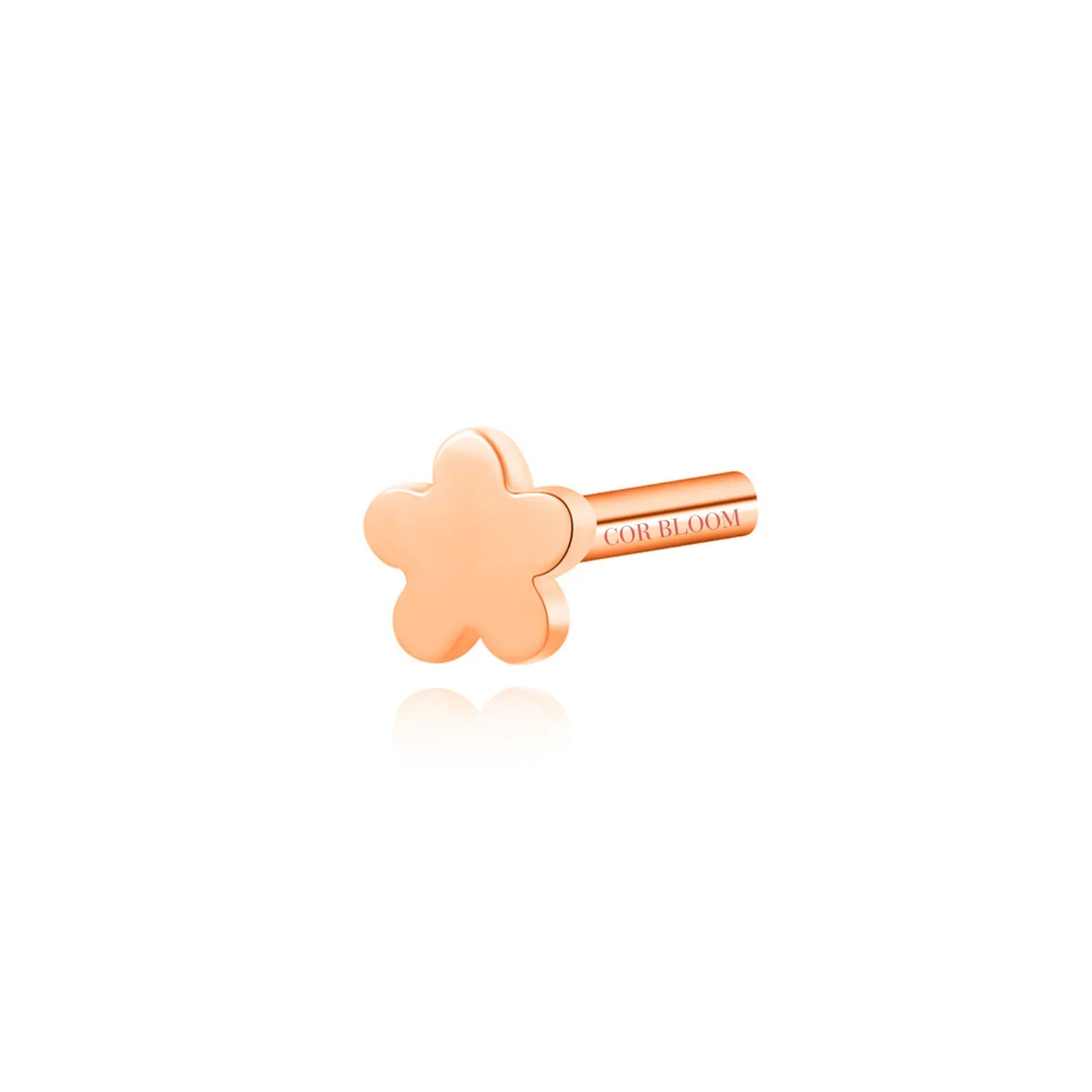
Solid Titanium - Flower Shape - Back Post
Choose your option
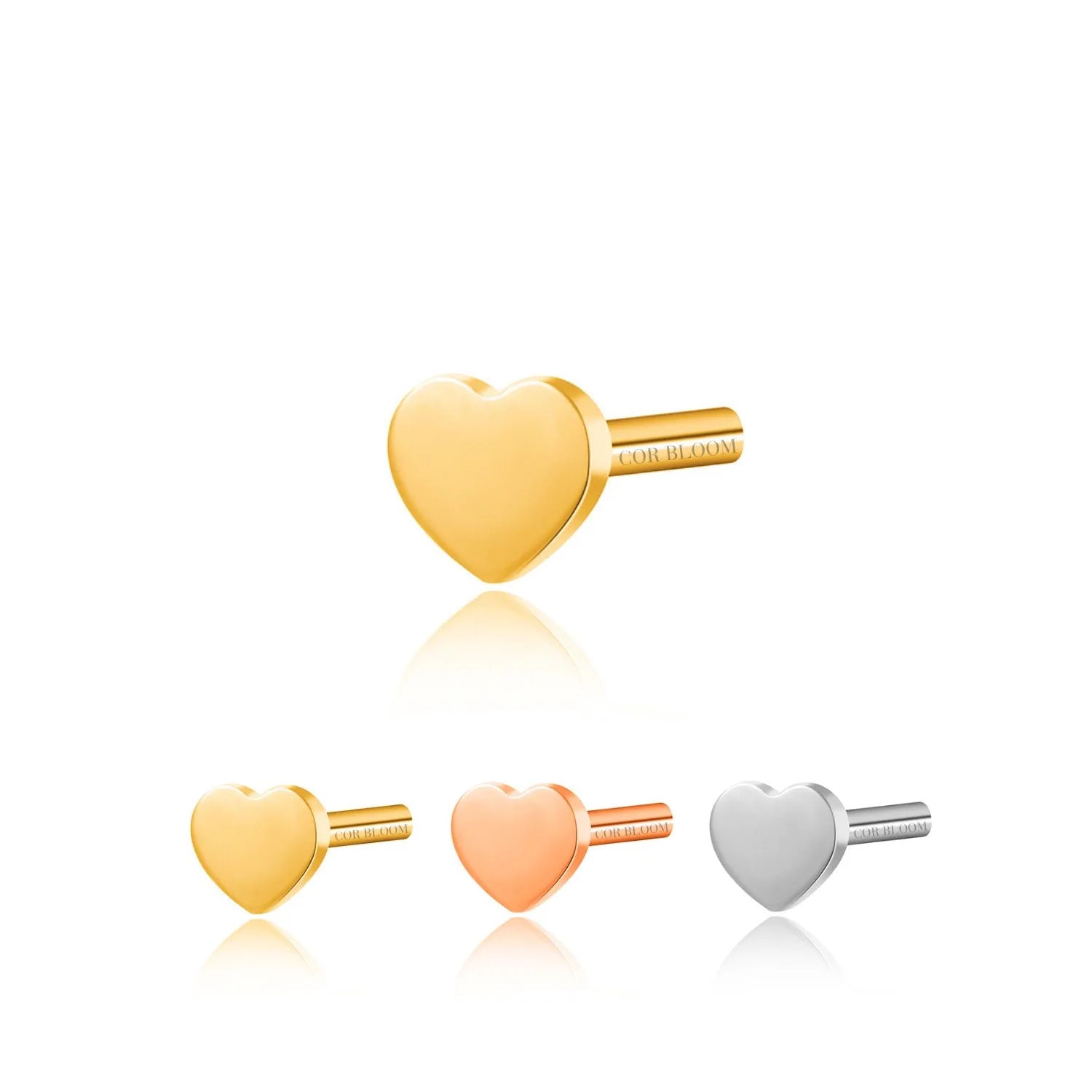

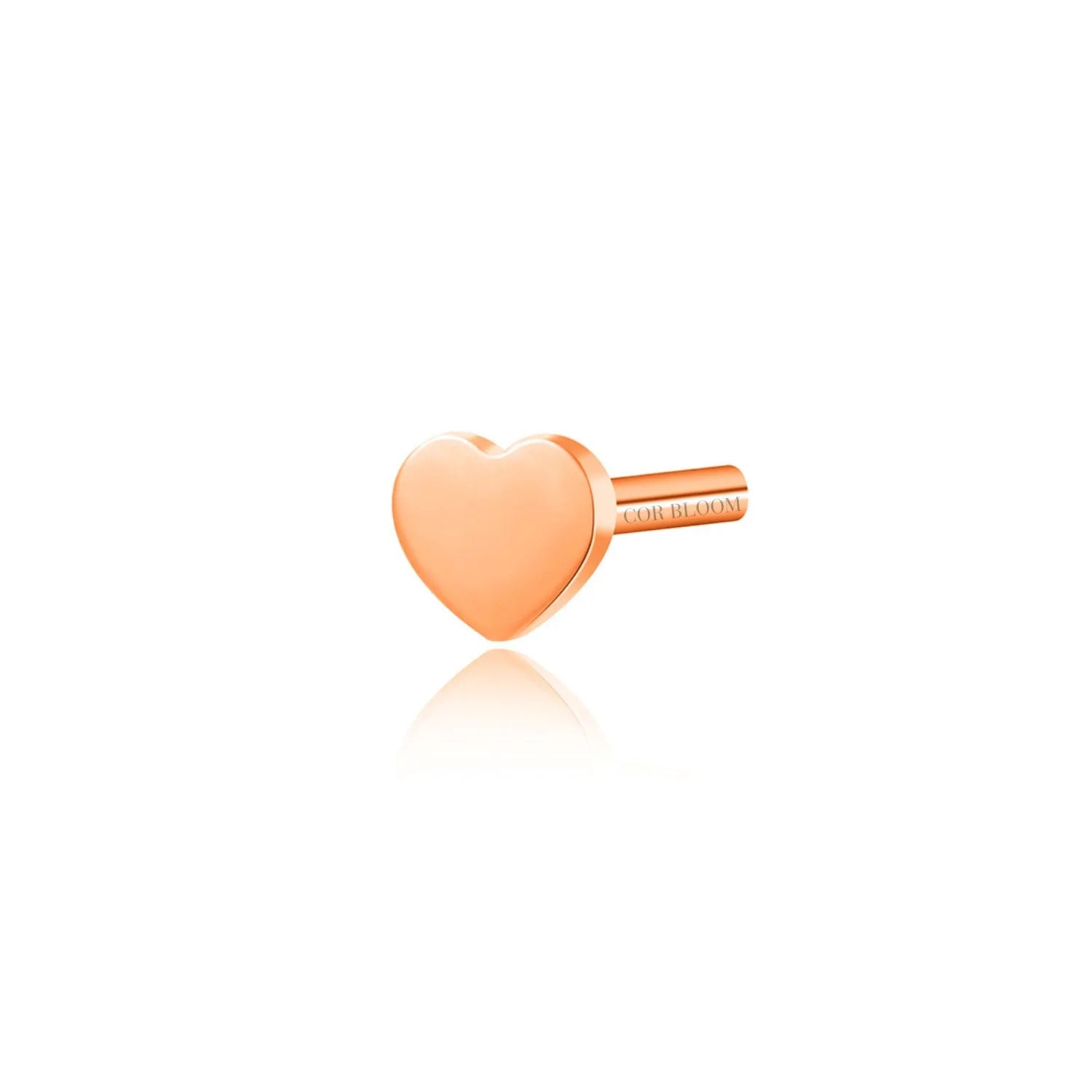
Solid Titanium - Heart Shape - Back Post
Choose your option
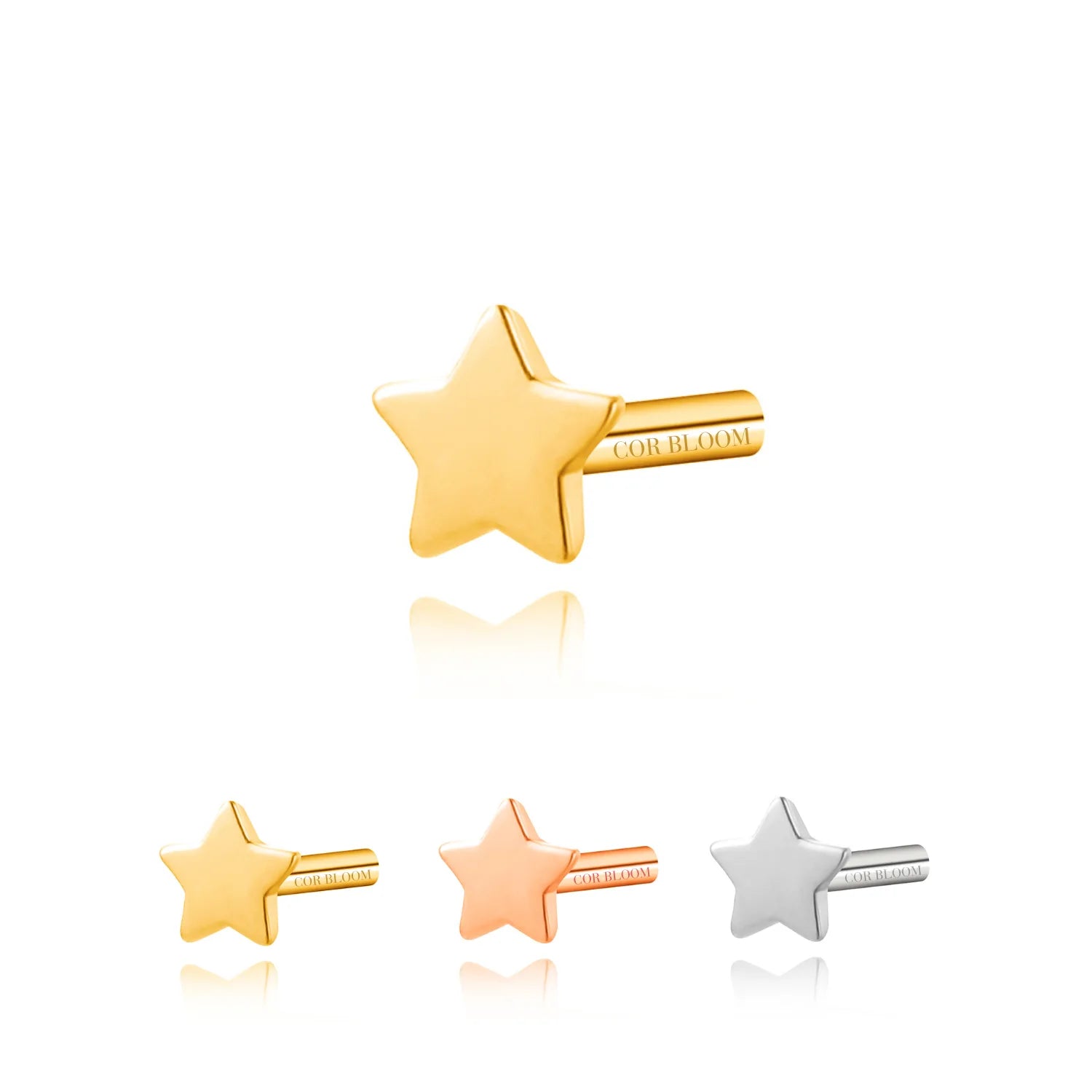
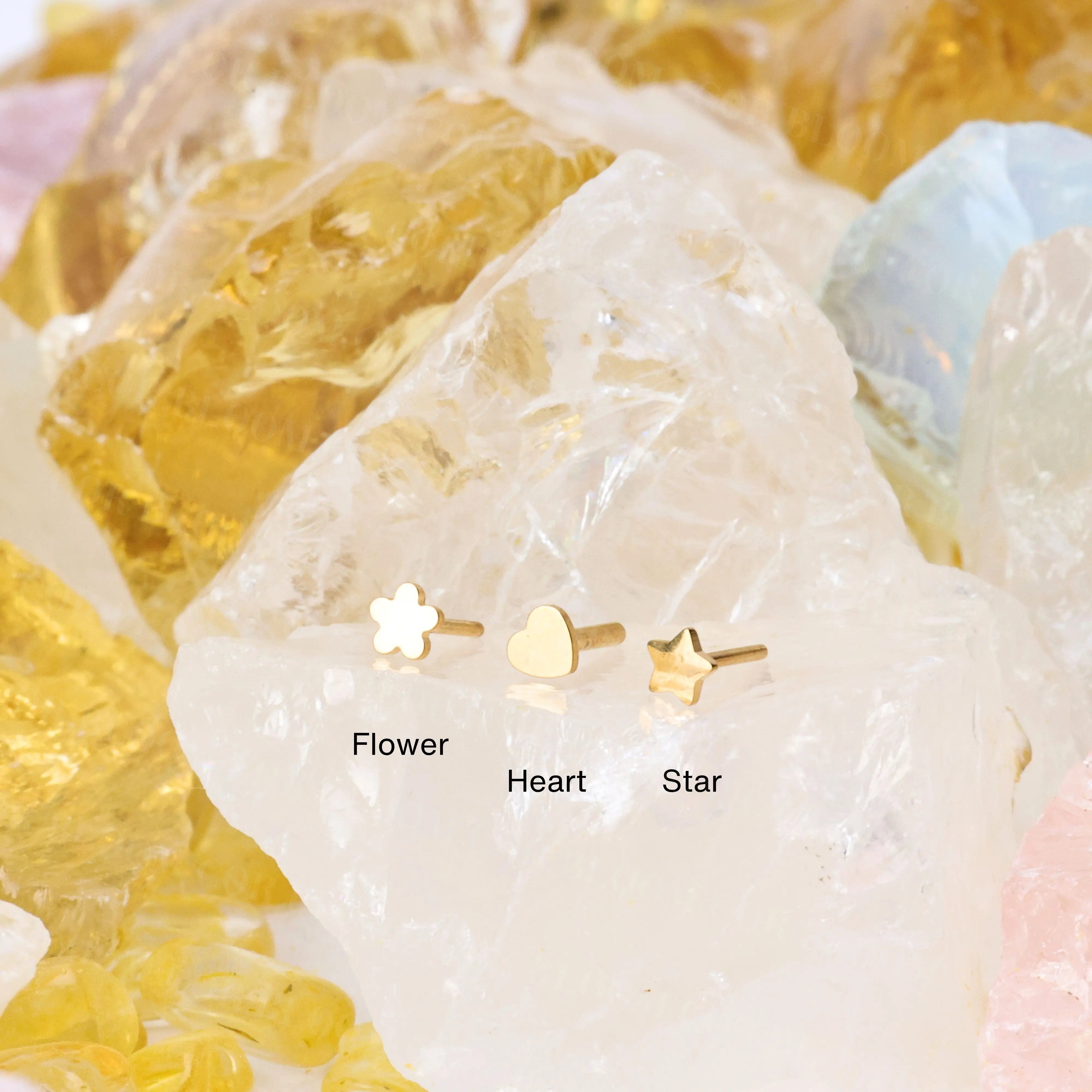
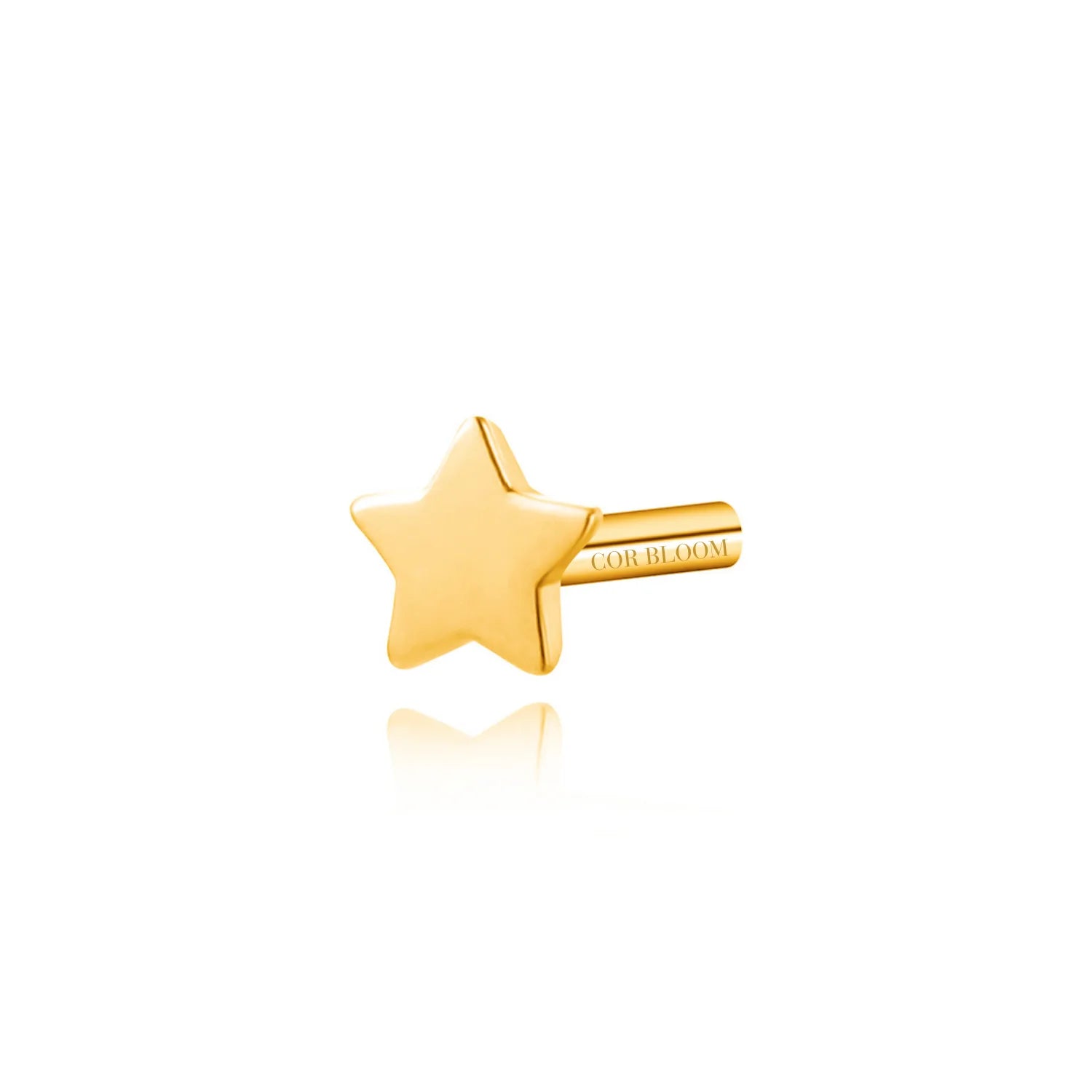
Solid Titanium - Star Shape - Back Post
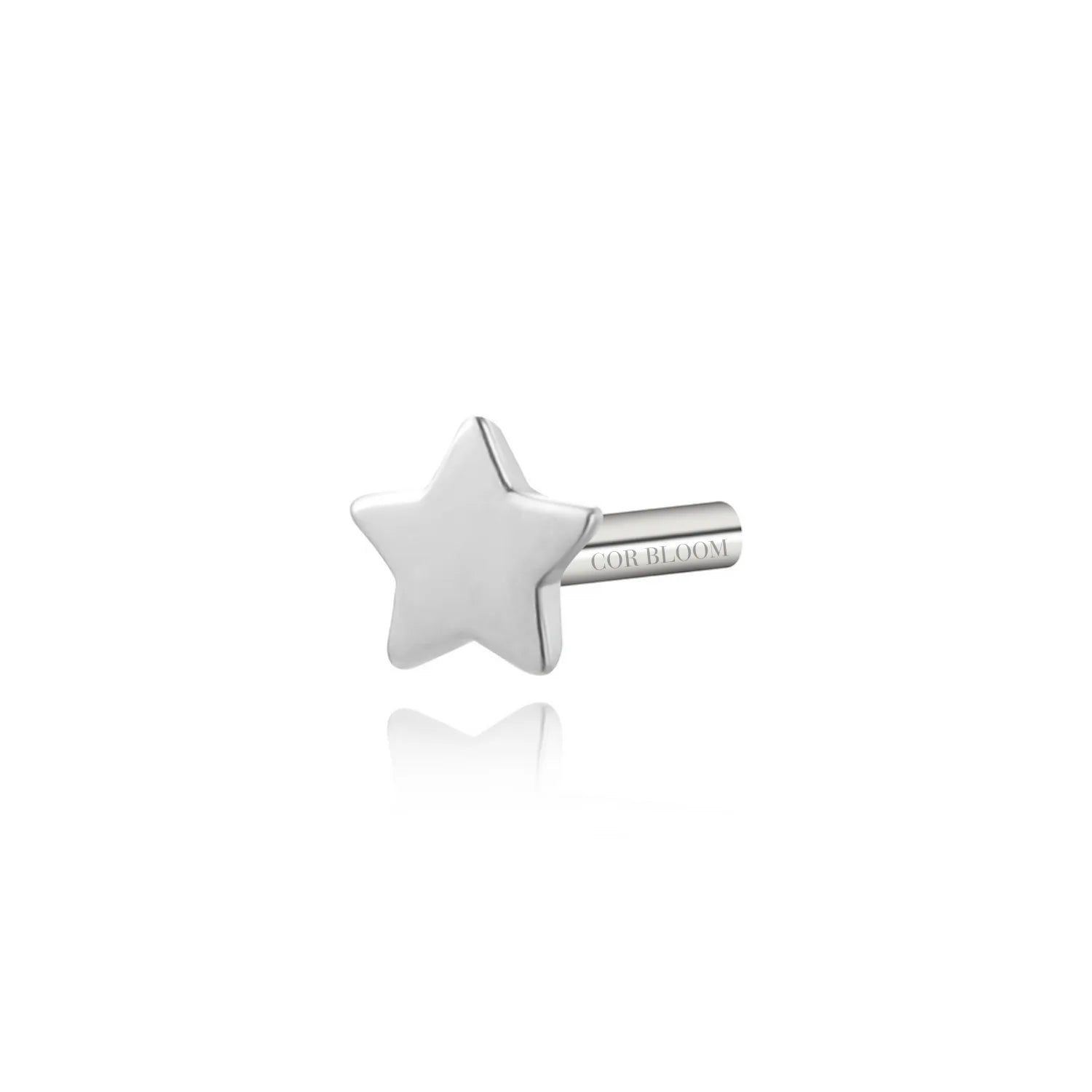
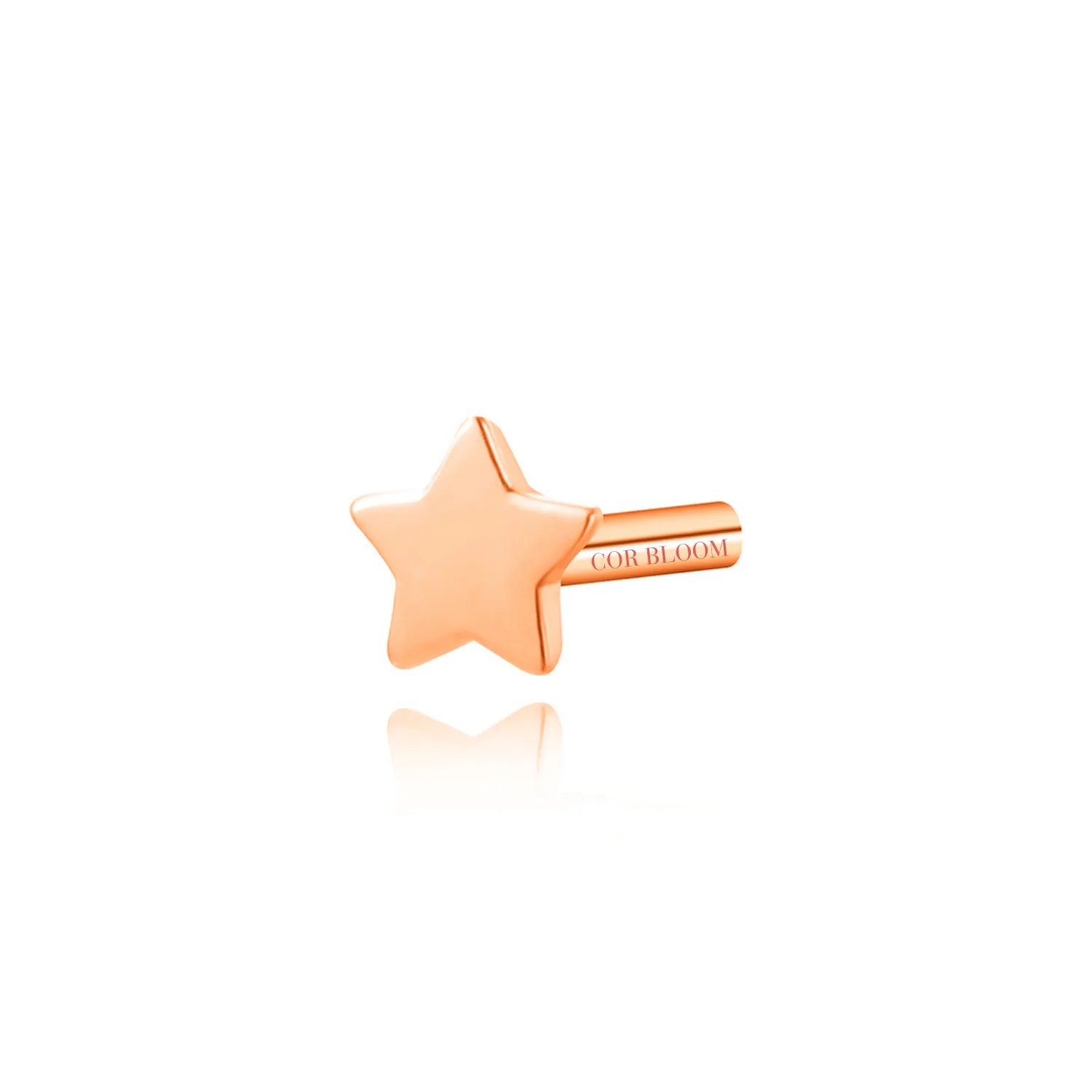
Choose your option
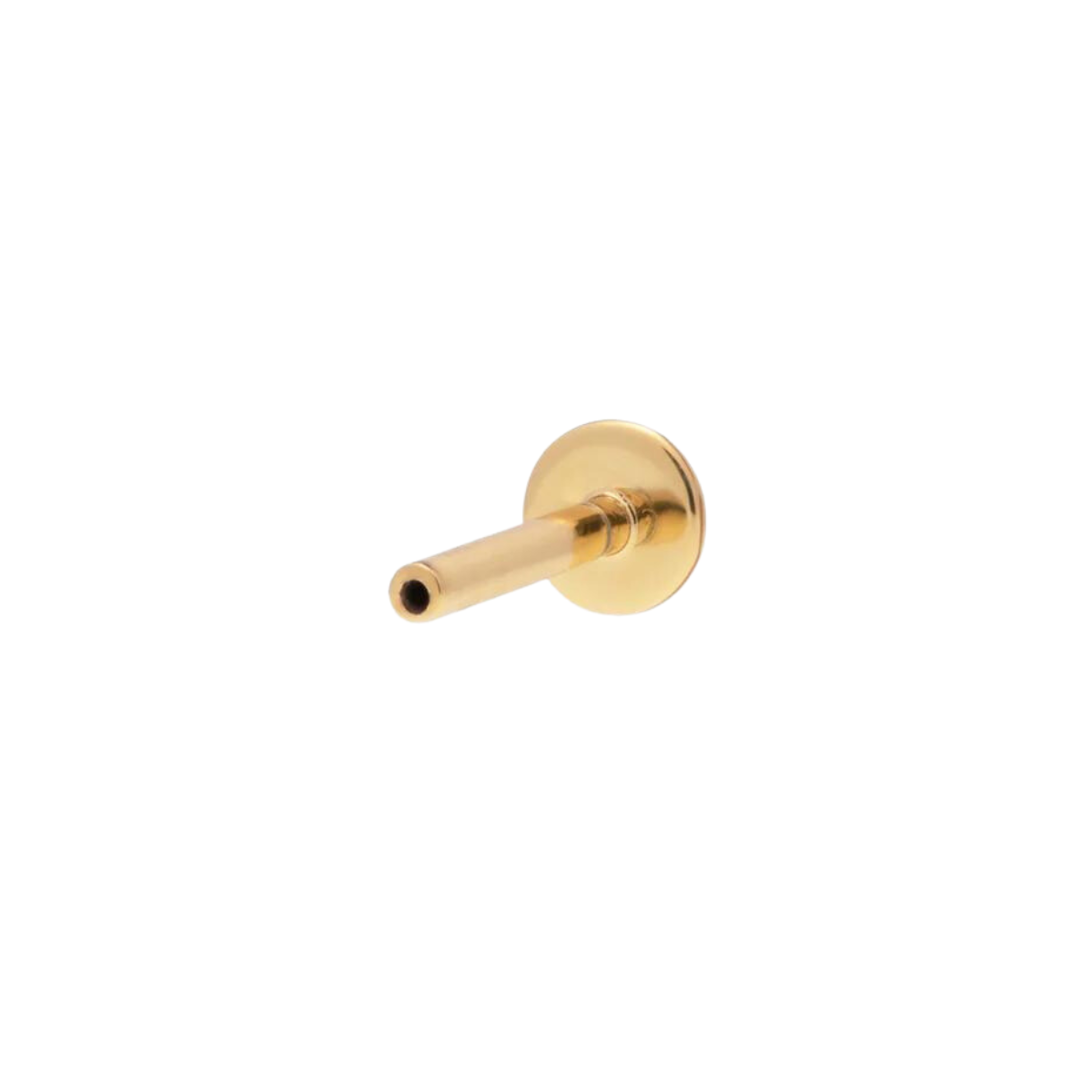
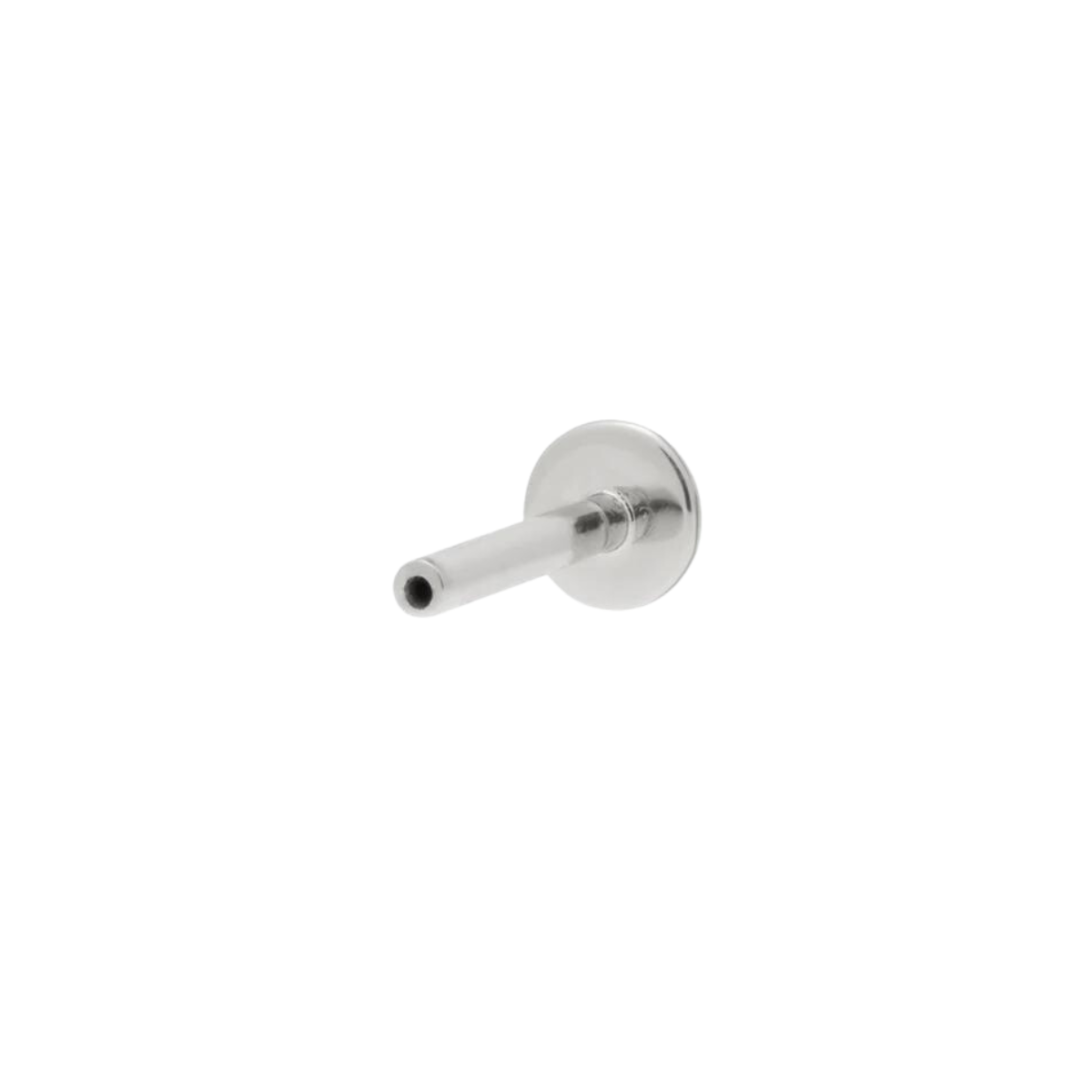
Implant Grade Titanium - Push Pin Back Post (Spare Part)


Choose your option
Implant Grade Titanium - Threaded Back Post (Spare Part)
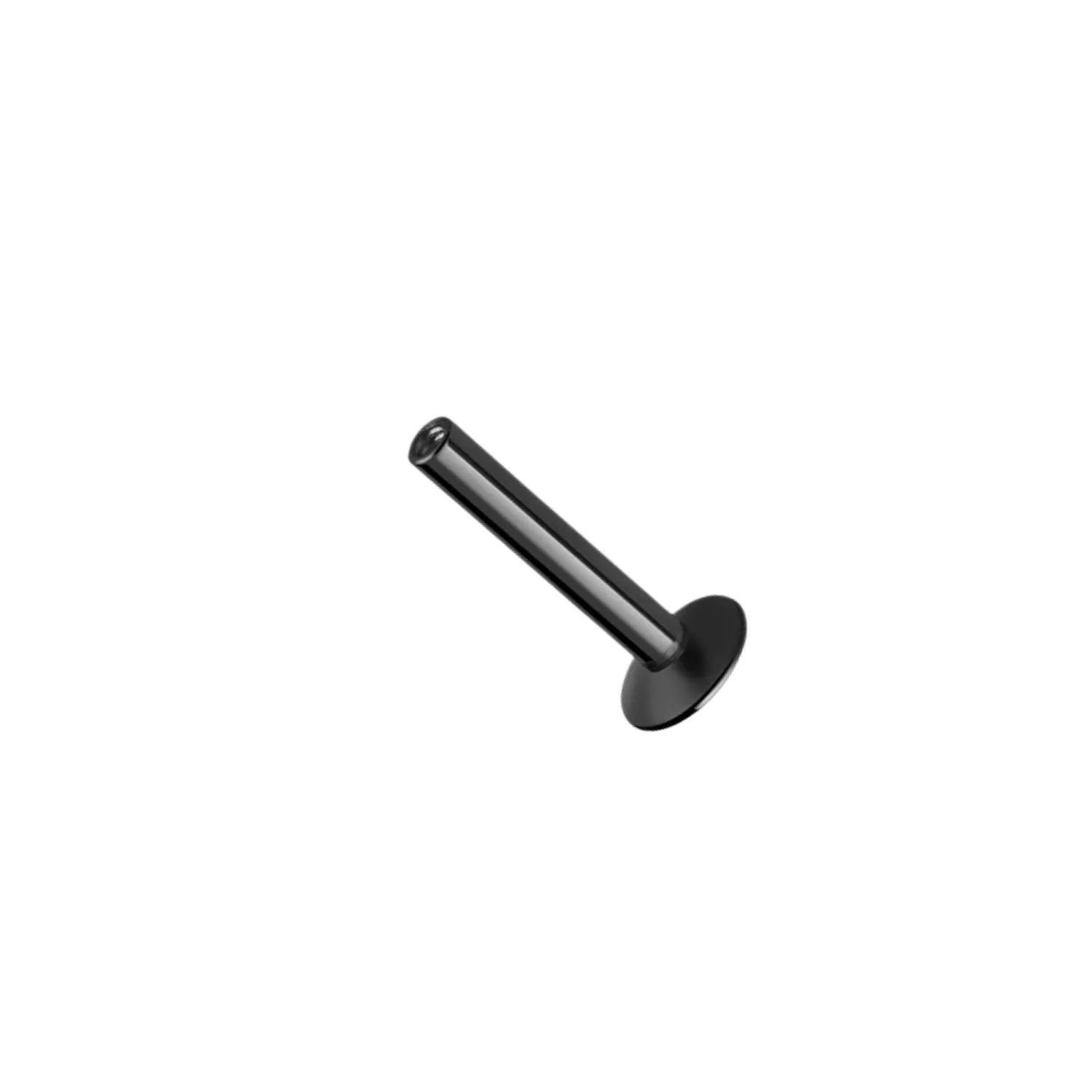
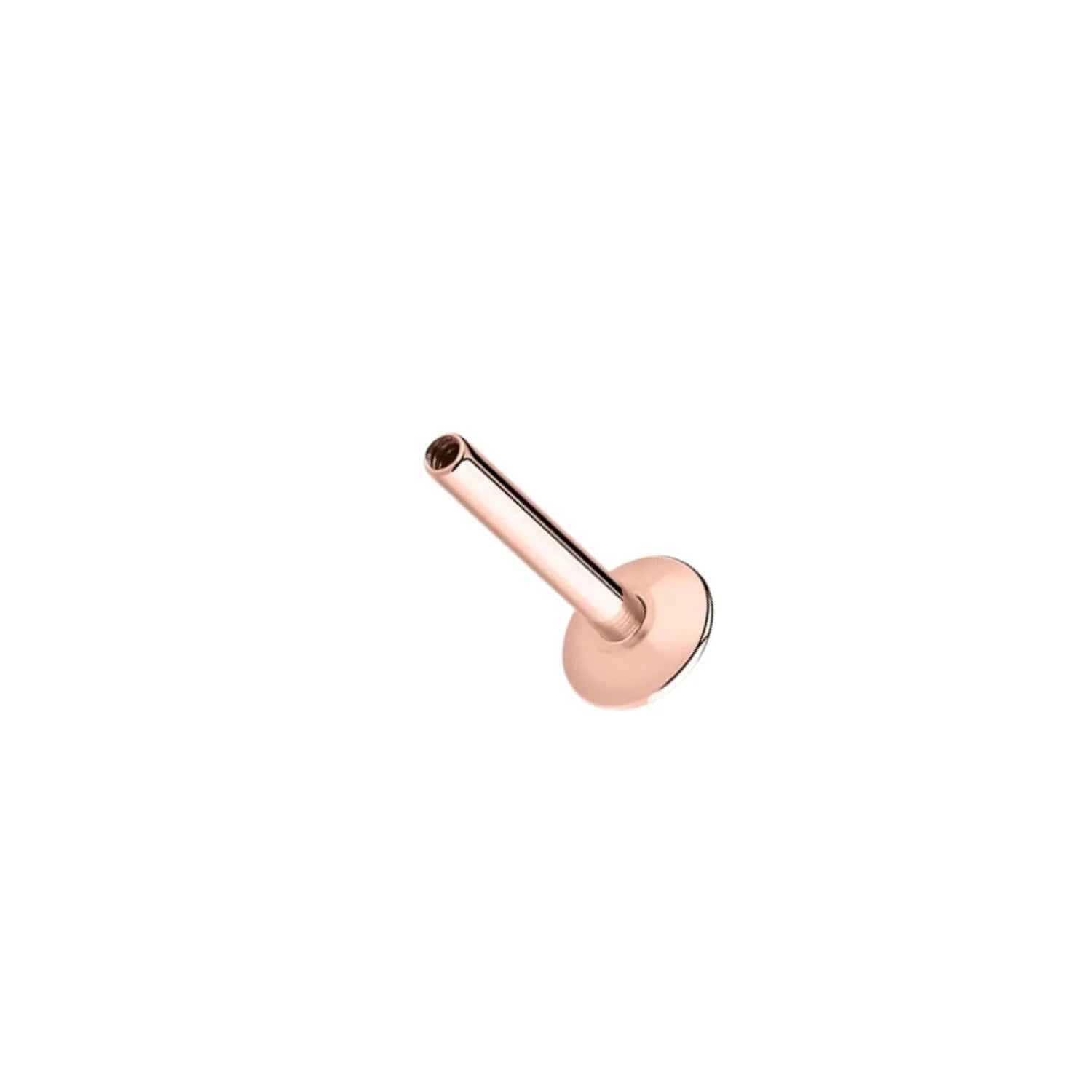
Choose your option


Grabber Tool
Choose your option
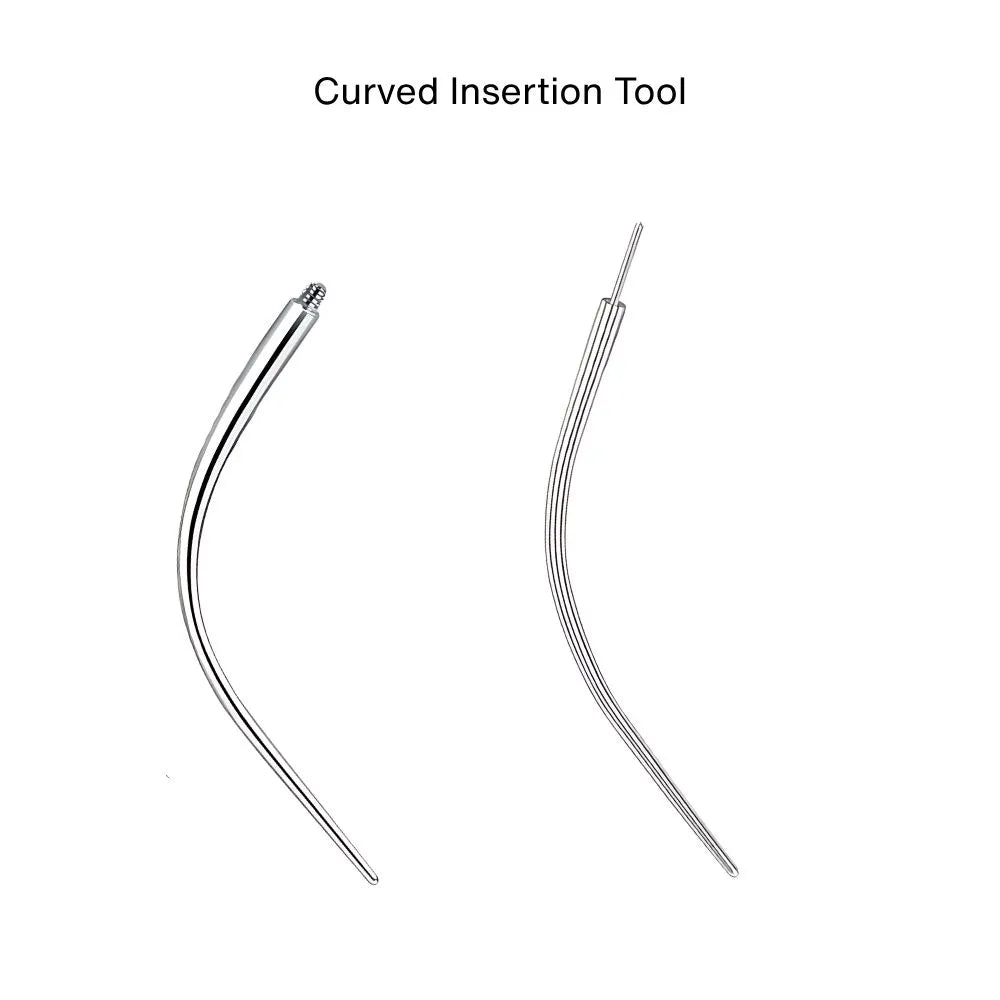

Curved Insertion Tool
Choose your option
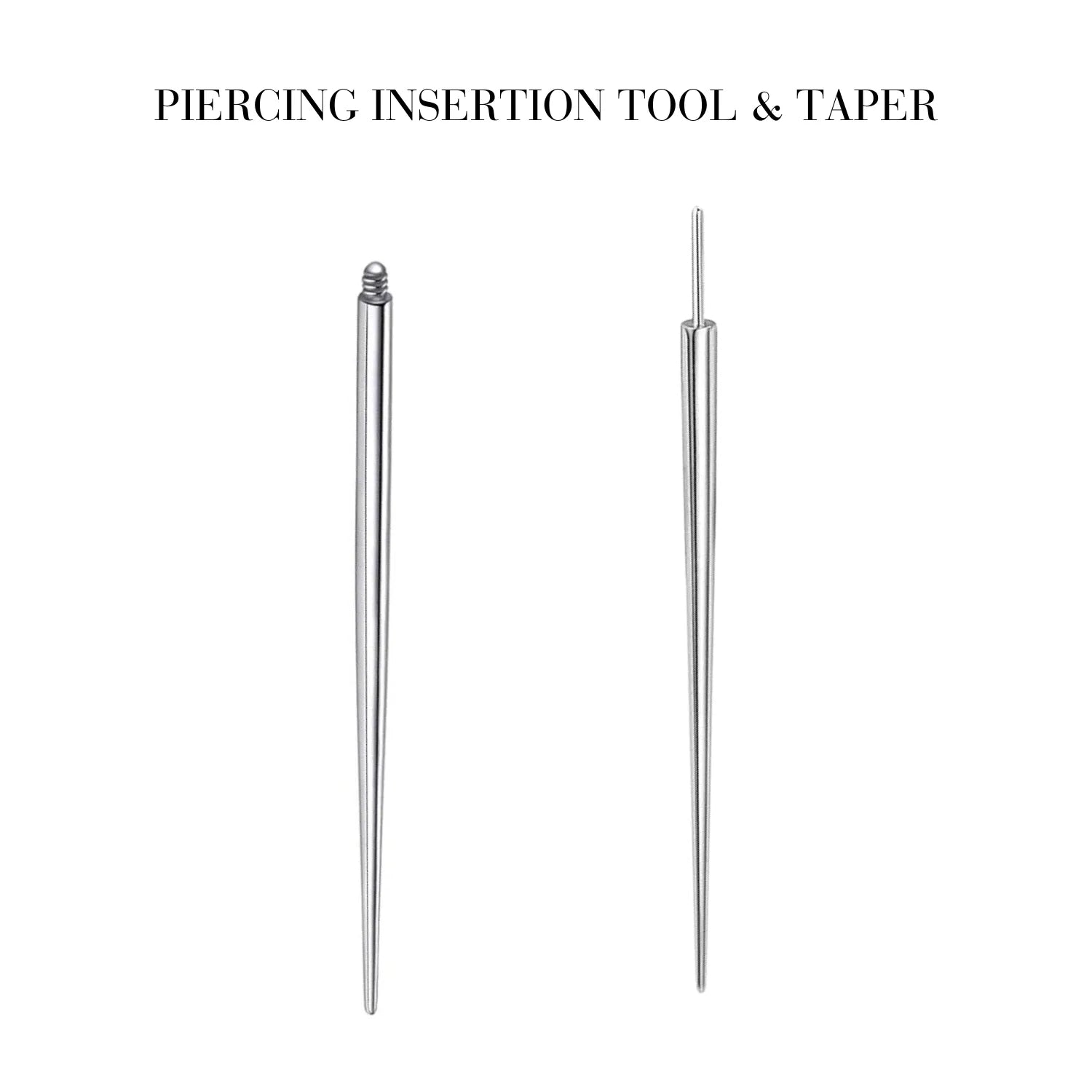
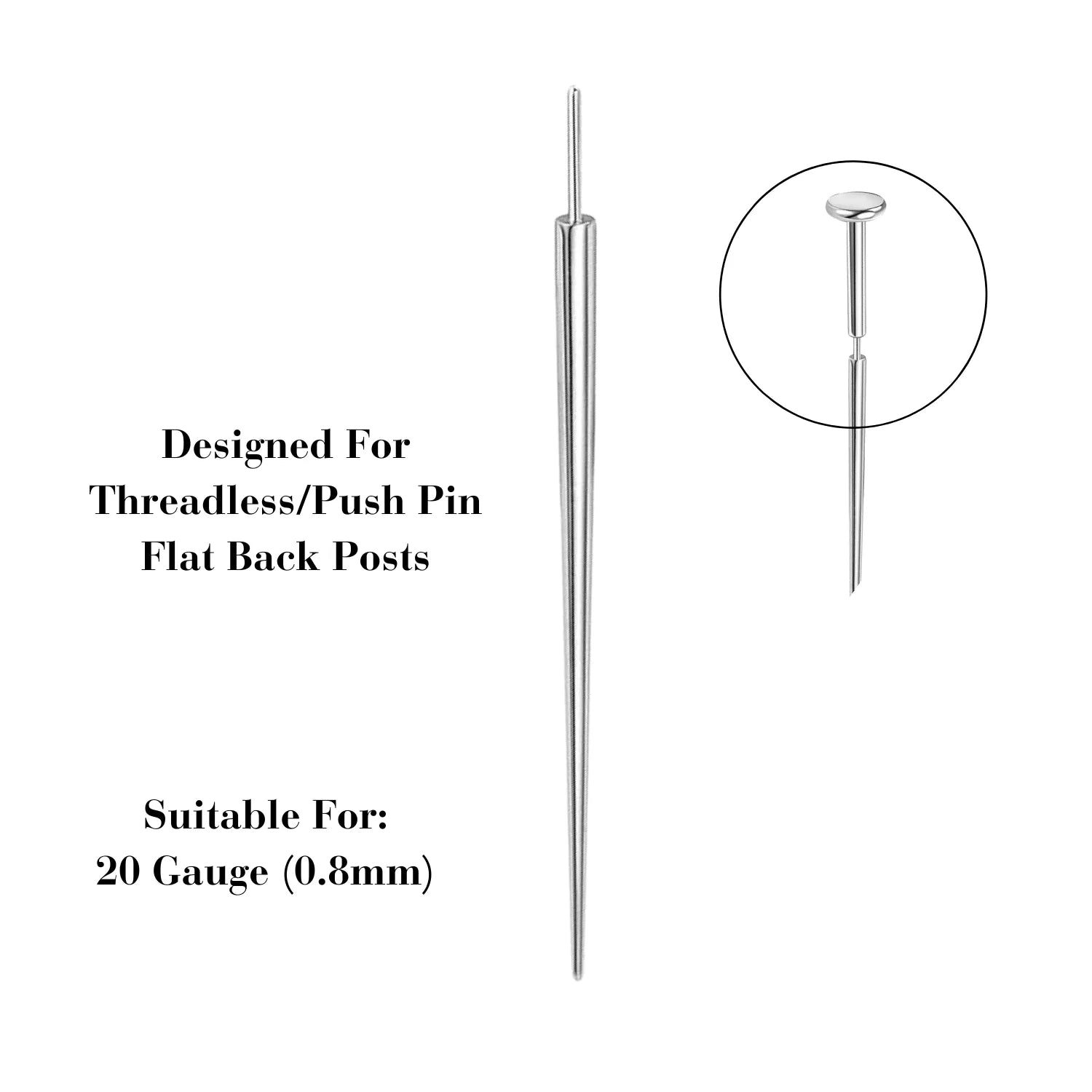
Insertion Tool
Choose your option
Choose your option
Choose your option
3. Hoop & Clicker Inner Diameter
What is Inner Diameter?
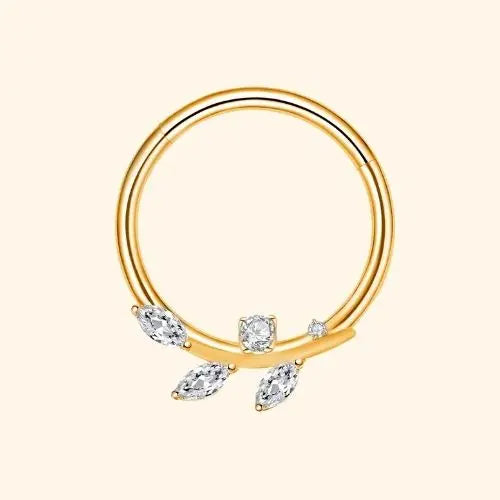
The inner diameter is the measurement of the empty space inside the hoop—not the outside of the jewelry.
A larger diameter creates a looser fit, while a smaller diameter sits closer to the piercing.

Classic Hoops VS Clicker Hoops

Clicker Hoops
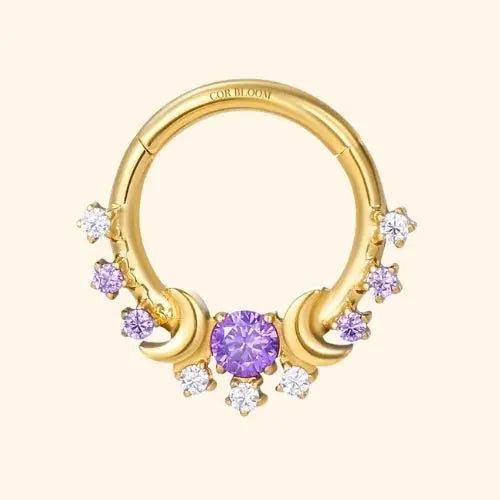
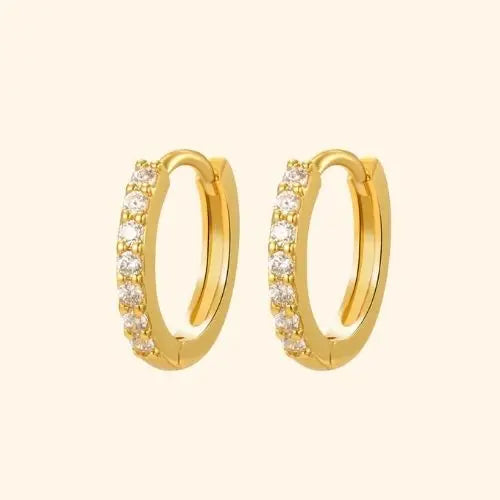
A clicker is a type of hoop earring with a hinged closure that snaps securely into place. Simply open, insert, pull, and click — it locks shut with a satisfying snap.
The mechanism ensures a snug, secure fit, making it ideal for piercings like septums, daiths, helix, and cartilage where you want peace of mind that your jewelry won't accidentally fall out.
Usually available in 16G (1.2 mm) or 18G (1.0 mm) .

Classic Standard Hoops
Classic and traditional — the hoops and huggies everyone knows and loves. Effortlessly easy to put on and take off, they're perfect for everyday wear.
Usually available in 20G (0.8 mm) - the most common size, or 18G (1.0 mm) .
Part II - How to Choose The Correct Size

Which Gauge To Choose
Not sure which gauge to choose?
- If you were pierced with a needle: you're probably an 18G or 16G.
- If you used a piercing gun: 20G is most common.
- If you're still unsure, 18G is a safe, versatile choice that fits most piercings perfectly.
Please note: These are general recommendations only. Every anatomy is unique, and we always encourage you to consult your piercer or measure the jewelry you already have if you're unsure about your size. The customer is responsible for choosing the correct size for themselves.
Size Guide For Flat Back Studs


Size Guide For Hoops & Clickers

Please note: All size recommendations are general guidelines only. Anatomy varies from person to person — swelling, tissue thickness, and personal preference all affect the perfect fit. We always recommend consulting your piercer or measuring your current jewelry for the most accurate size.
The customer is responsible for choosing the correct size for themselves. If you're unsure, reach out to us at hello@corbloomjewelry.com — we're happy to help!
How to Measure Your Hoop Size

Measure Your Hoop Size
Take a strip of paper and a pen.
Hold the paper up to your ear.
Mark the distance from your piercing hole to the outer edge of your ear.
Measure the marked length with a ruler — that's your ideal hoop diameter!
Tips:
- For an accurate measurement, keep the paper strip straight and horizontal.
- Prefer a looser fit? Measure at a slight angle — or simply add 1–2mm to your straight measurement.
Don't want to measure at home?
Visit a local piercer — they can measure you in person. Just share the dimensions of any attached charms or designs so they can check the fit.

